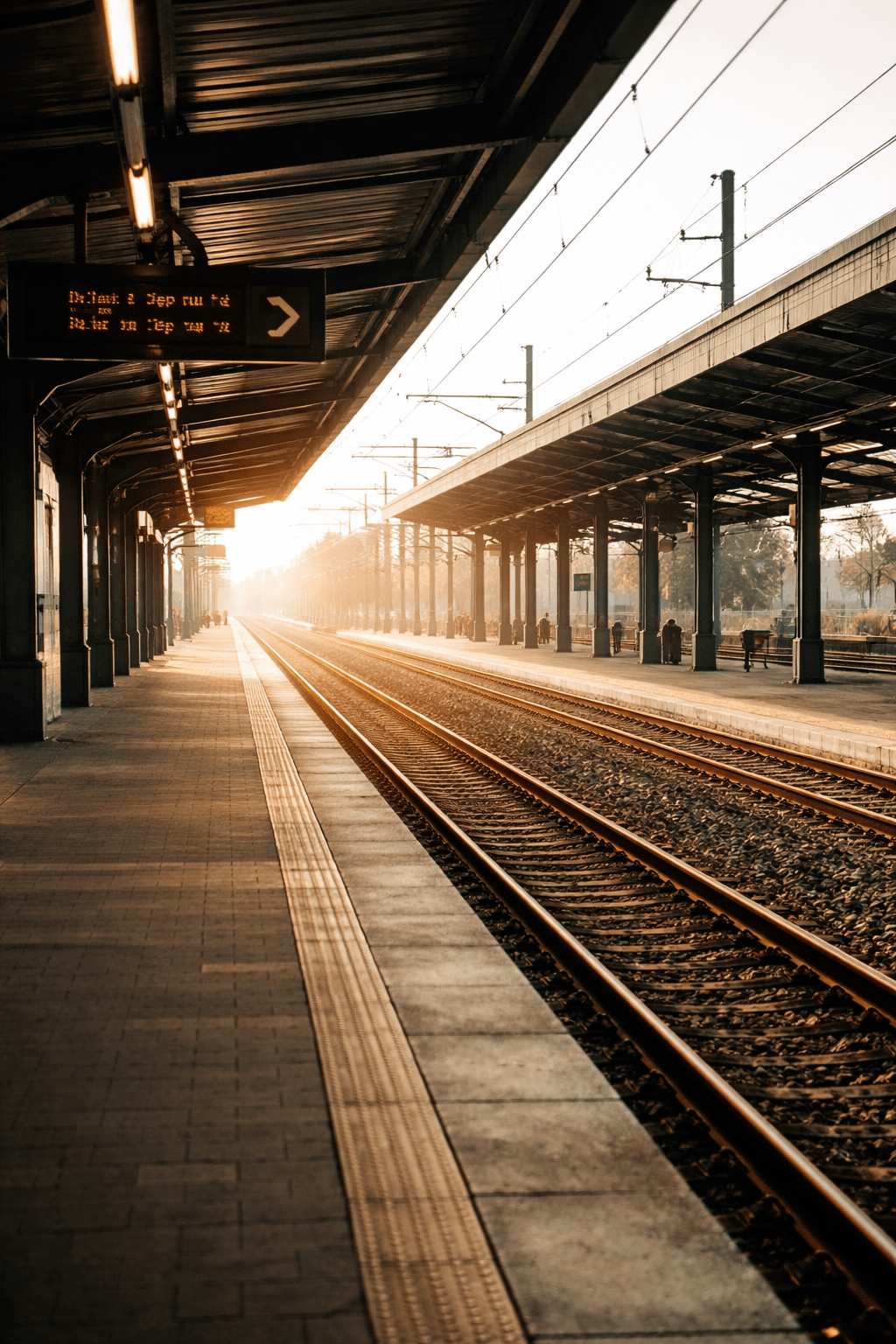
Waiting is often misunderstood. It is framed as doing nothing, as sitting still until something happens, as holding your breath for the outcome you want. But waiting is rarely empty. Waiting is preparation.
Not only for the outcome you are expecting, but for the outcome you may not see coming.
Because life does not always follow the path we plan. Sometimes it delivers the exact result we hoped for. Sometimes it opens a different door entirely. Either way, the time spent waiting is not wasted, unless we abandon ourselves inside it.
Waiting is momentum, not stagnation
One of the biggest mistakes people make while waiting is treating the outcome as the only thing that matters.
A job offer. A reply. A yes. A decision.
When everything becomes pinned to one result, waiting turns into suspension. Life pauses. Energy narrows. The mind starts circling the same thoughts, replaying scenarios, scanning for answers. The yardstick for how you are doing becomes external.
If the outcome comes, you feel relief. If it does not, you feel crushed.
That is a fragile way to live, because it places your internal state entirely in the hands of something you cannot control.
The healthier approach is different. Waiting is not standing still. It is a forward movement. It is an internal preparation. It is staying open, capable, and responsive, even while you do not yet know what the answer will be.
The key is intentional waiting
Intentional waiting is the decision to keep building momentum while life unfolds.
It is the choice to keep growing, even when the next step has not been confirmed. It is resilience, not in the sense of forcing yourself to cope, but in the sense of staying engaged with your own life while outcomes develop.
It is also openness. When we become too attached to one specific result, we often lose the ability to see alternatives. We narrow our options and our imagination. We forget that there may be other paths that suit us better, even if they were not the original plan.
Intentional waiting keeps your mind flexible. It allows you to hope without clinging.
Self-care is not a reward; it is maintenance
Self-care is not something you earn after the outcome arrives. It is maintenance.
It is how you protect your energy and judgement, so you can respond well to whatever comes next. When we are waiting, it is easy to neglect the basics. Sleep becomes inconsistent. The body tightens. The mind runs ahead. We tell ourselves we will feel better once things are settled.
But that is exactly when care matters most. Waiting requires capacity.
Do not let one goal become your entire future
Waiting becomes painful when you reduce everything to one outcome.
One job application. One interview. One person. One decision.
You put your best foot forward. You do the work. You wait. But you do not stop living.
A practical example is job searching. You apply for the role you want. You send the application that best represents you. You do your best. Then you keep moving. You keep exploring other options. You keep adding to the pipeline. You keep your future open to more than one door.
Because rumination does not increase your chances. It only increases your anxiety.
And if that one outcome does not happen, you are not left with nothing. You are already in motion. You already have other possibilities unfolding.
Closing
Waiting is not time lost. It is preparation, capacity, and becoming.
And it is a quiet reminder that your life is allowed to keep moving, even when the outcome is not yet decided.
What would change if you widened your options while you wait?
 The Next Chapter Room
I’d love to hear your thoughts, feel free to share in the comments.